Require safety testing and audits for high-risk AI systems
Artificial Intelligence Accountability Act
Plain-language summary
This bill would create the first binding federal rulebook for high-risk AI. Systems used to make consequential decisions about people — hiring, lending, housing, medical triage — or to run critical infrastructure would need documented safety testing before deployment, ongoing audits, and mandatory reporting of serious failures within 72 hours. General-purpose research, entertainment, and low-risk business tools are exempt. Enforcement runs through the FTC with civil penalties up to $25,000 per violation per day.
AI-generated explanation. Review the official text and official sources before drawing conclusions — summaries can omit important detail.
The strongest case on each side
High-risk AI already screens loan files, resumes, and rental applications with no requirement that anyone verify it works. A tiered federal standard gives businesses one predictable rulebook instead of a patchwork of conflicting state laws, and mandatory incident reporting creates the safety data regulators and researchers currently lack.
Risk tiers drawn today will misfit the technology within two years, and compliance costs fall hardest on startups while incumbent firms can absorb audit overhead easily. Broad definitions of 'consequential decision' could sweep in ordinary software, chilling deployment of systems that on net reduce human error and bias.
Both cases are presented in their strongest form. Quorly does not take a side.
What it changes — and what it doesn't
- •Pre-deployment safety evaluations for high-risk AI in hiring, lending, housing, and infrastructure
- •72-hour incident reporting for serious AI failures
- •New AI oversight office in Commerce; FTC civil penalties up to $25,000/day
- ○Does NOT regulate research, entertainment, or low-risk business AI tools
- ○Does NOT license or restrict AI model training itself
- ○Does NOT preempt stricter state AI laws
Timeline
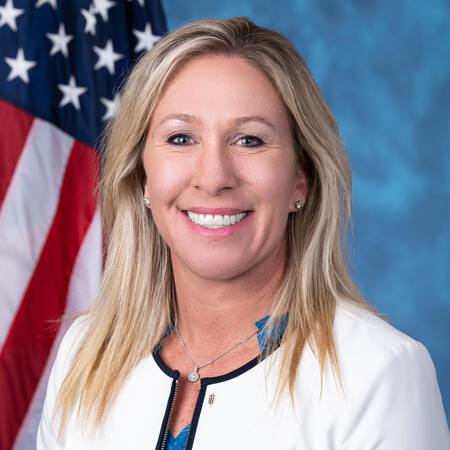
- Jan 14, 2025Introduced in the House by Rep. Maria Carter (R)
- Mar 6, 2025Referred to Energy & Commerce and Science committees
- Oct 15, 2025Joint hearing with testimony from AI labs and civil-society groups
- Jun 24, 2026Subcommittee markup scheduled for July session
Discussion
The committee calendar is the tell here. Watch whether a markup actually gets scheduled before the August recess — floor speeches are noise, markup dates are signal.
Cosponsor count has been the best single predictor in my model this cycle. Cross the ~200 mark in the House and passage odds roughly double, controlling for committee.
Worth reading the strongest-against section before taking a position — the implementation questions are where most bills like this actually stall, not the politics.
Video
 7:56
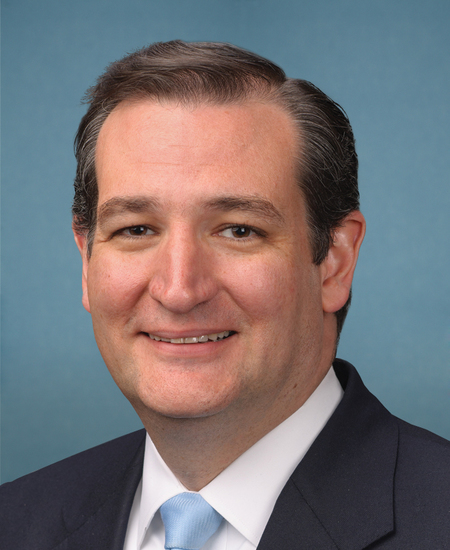
7:56Sen. Cruz opens Commerce markup on the AI framework: 'audit regimes entrench incumbents'
 5:33
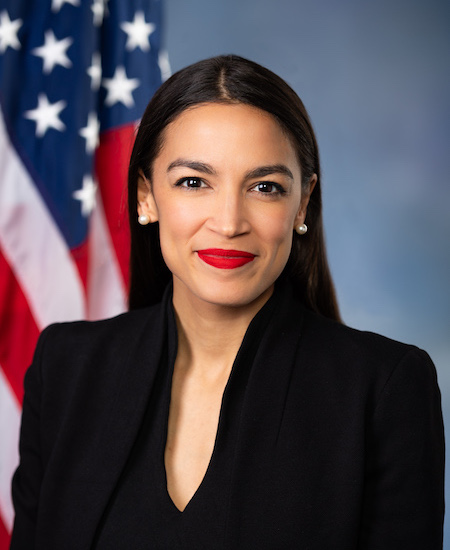
5:33Rep. Ocasio-Cortez questions witnesses on government purchases of location data
Sponsor
Community sentiment
LivePublic Pulse demonstration sample · not a scientific poll
Related forecast markets
Will Congress enact a comprehensive federal AI framework law before January 1, 2028?